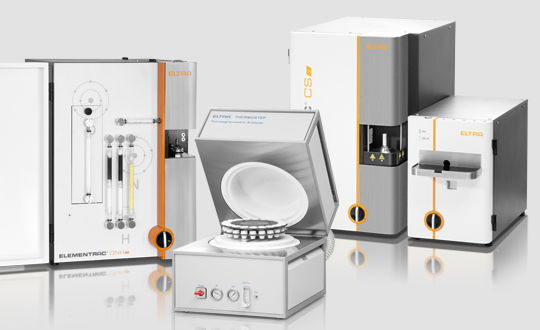





Elemental analysis is a field of analytical chemistry and is used for the quantitative and qualitative determination of organic and inorganic compounds in solid or liquid substances.
Particular attention is paid to the determination of carbon, hydrogen, nitrogen, oxygen and sulphur (CHNOS analysis). Knowledge about the content of these elements is of great importance for numerous sectors and industries.
Elemental Analysis Technologies
There are various established methods for elemental analysis. Spectroscopic measurement methods such as optical emission spectroscopy (ICP-OES), atomic absorption spectrometry (AAS) or spark spectrometry are widely used and are preferred for the analysis of metallic samples.
In thermogravimetric analysis (TGA), the change in mass of the sample material is measured as a function of a change in temperature over time, which allows conclusions to be drawn about the composition of the substance being analysed.
Compared to these methods, the so-called combustion analysers offer a significantly wider range and can be used for the fast and reliable analysis of a wide variety of sample types.
Elemental Analysis with modern combustion Analyzers
Combustion analysis is basically a three-step process. In the first step, an oxygen stream is treated to remove any impurities that could affect the measurement results. In the next step, the sample material to be analysed is completely combusted in an oxygen atmosphere. Induction furnaces or resistance furnaces are generally used for this purpose. The gas components produced during combustion are processed in a final step and then analysed spectroscopically. Near-infrared sensors (NIR) or thermal conductivity sensors (TCD) are often used for analysis.
Elemental Analysis Applications and Industries
Due to the versatile use of elemental analysers, there are countless possible applications in a wide range of industries. For example, elemental analysers are often used in the steel and titanium industry for quality control purposes.
Carbon is also an important component of steel, and its content has a significant influence on the properties of the material. As the carbon content increases, the strength and hardenability of the steel increases, while other properties such as ductility and weldability decrease.
Hydrogen can have a considerable influence on the material properties of steel, titanium or even copper. High-strength steels with a high martensite content are particularly sensitive to hydrogen-induced damage. In the case of titanium, the hydrogen can be deposited in the metal matrix of the material, resulting in the formation of a metal hydride, which also has a considerable influence on the material properties.

The oxygen content of materials is also of major interest. In the case of titanium, an increased oxygen content results in a harder but also much more brittle material structure. An increasing oxygen content also has a similar negative effect on other materials such as iron, steel or copper.
In addition to determining carbon, analysing the sulphur content of a sample is one of the most important tasks in elemental analysis today. In the case of organic samples such as coal coming from mining industry, the sulphur content allows conclusions to be drawn about the quality of the fuel. Higher quality materials generally have a higher calorific value and a lower sulphur content. Analysing the sulphur content of various inorganic samples is also of particular interest.
In case of the food and feed industry the detection of nitrogen content is of special interest. Based on the nitrogen fraction, the protein content of the analysed sample can be determined.
Eltra Products for elemental analysis
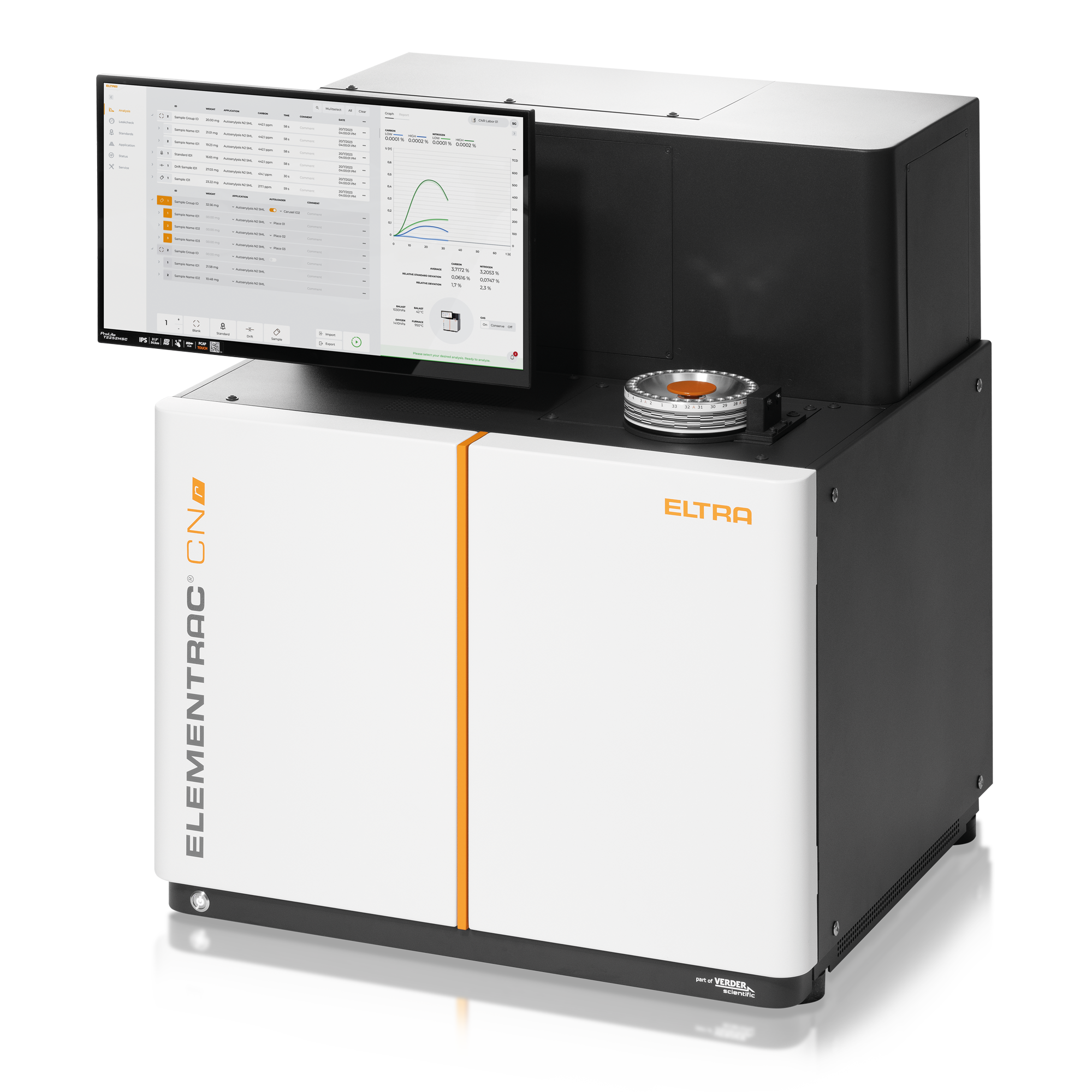
Carbon / Nitrogen / Protein Analyzer C-N-Analyzers
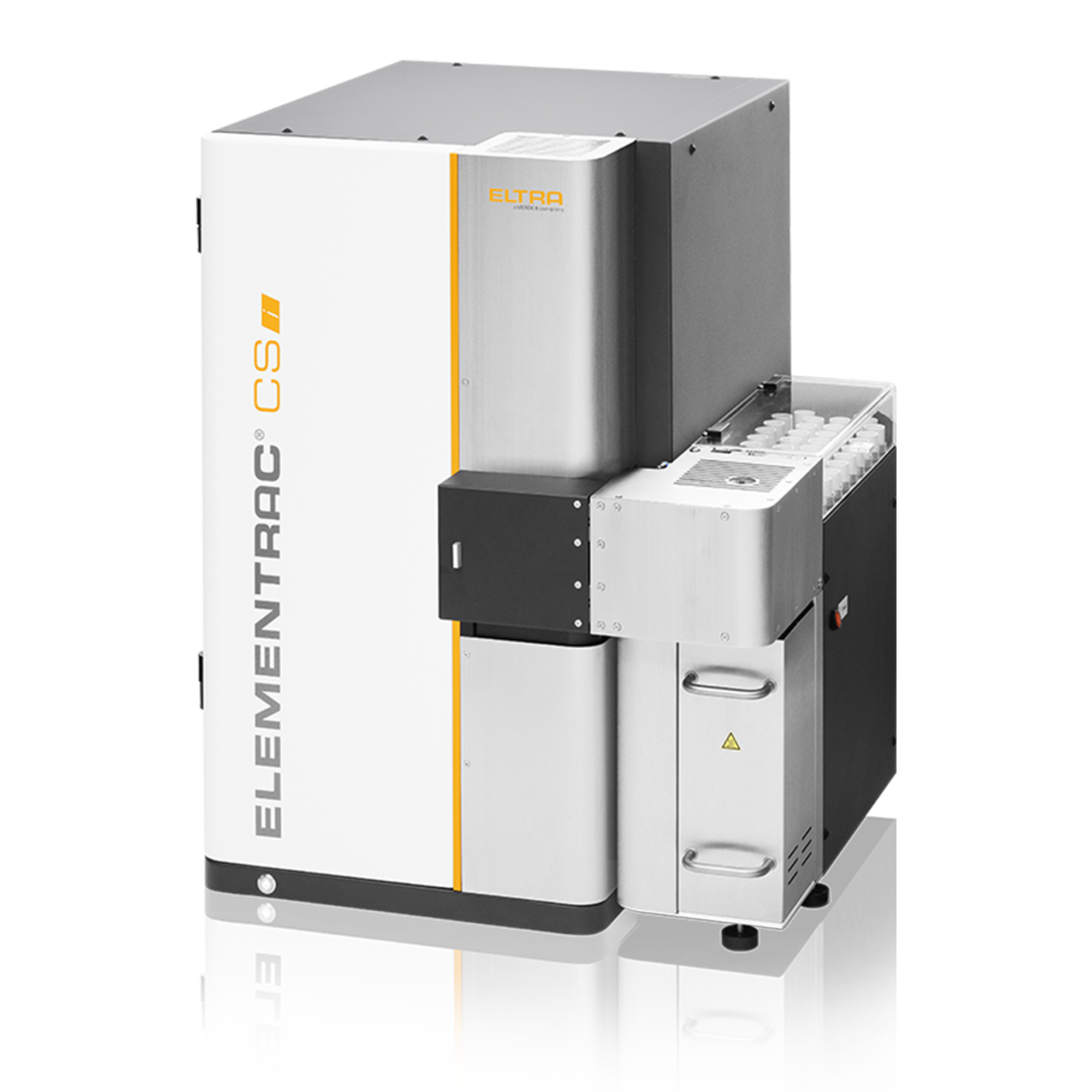
carbon / hydrogen / sulfur C-H-S Analyzers
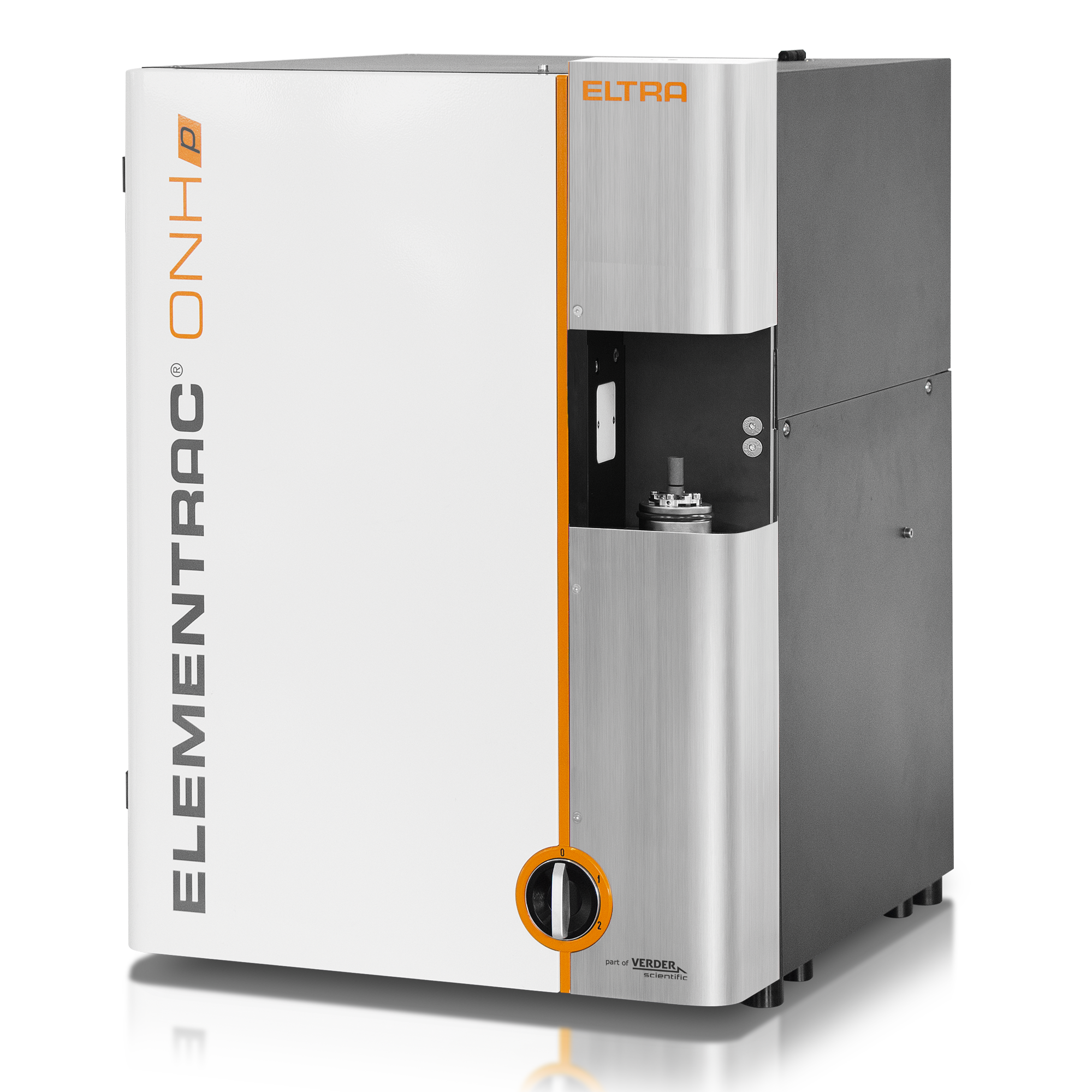
oxygen / nitrogen / hydrogen O-N-H Analyzers
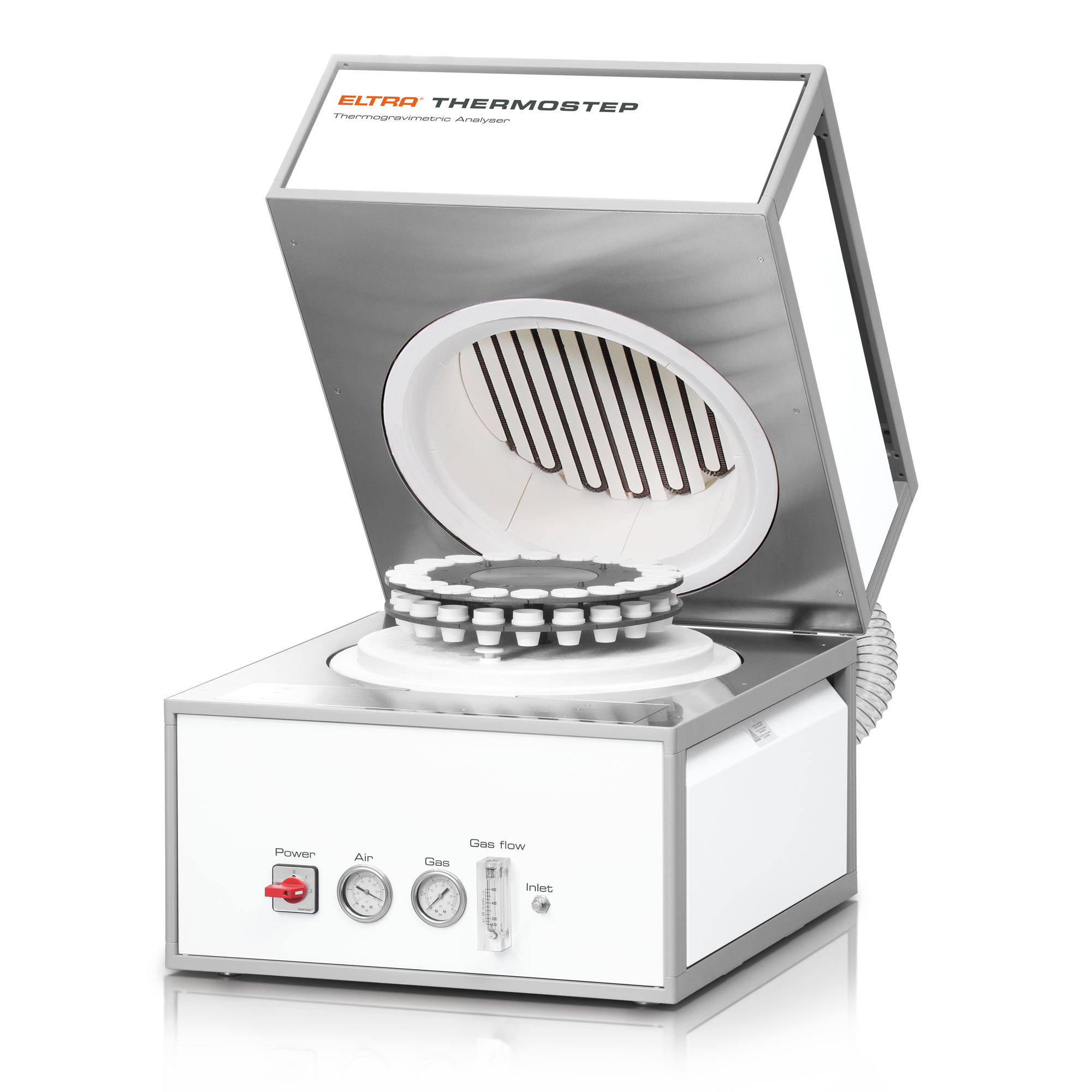
THERMOSTEP TGA Thermogravimetric Analyzers
Eltra Products & Contact