



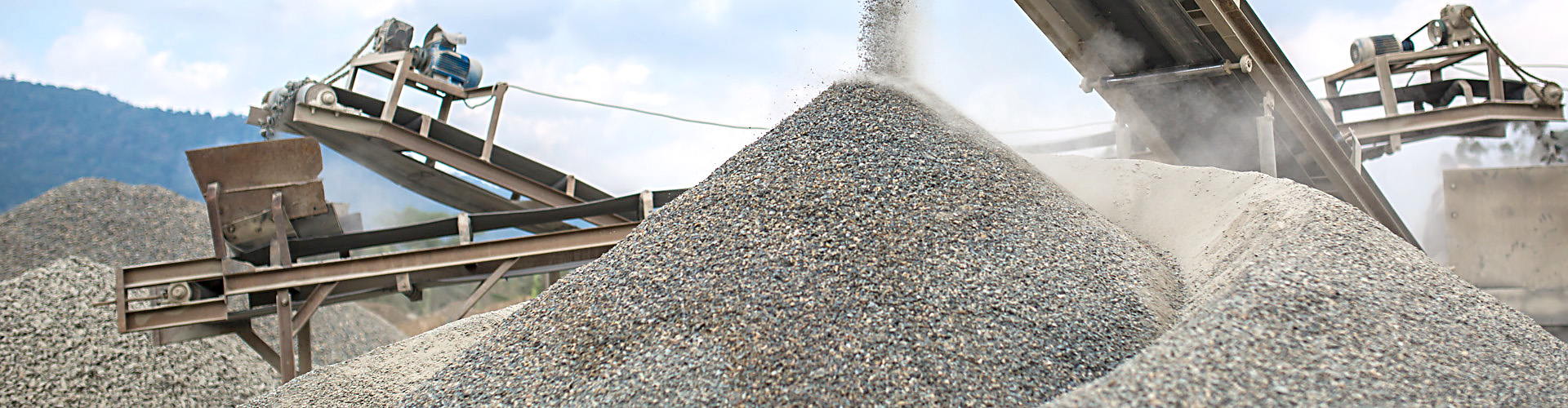
成分分析・元素分析 Carbon and sulfur in cement
Elemental analysis for process control, quality & sustainability
Cement and concrete production is one of the most energy-intensive industrial processes worldwide, accounting for approximately 7-8 % of global CO₂ emissions. At the same time, global demand for cement continues to grow, driven by urbanization and infrastructure development. This creates increasing pressure on manufacturers to ensure efficient production, consistent product quality and reduced environmental impact. The production of cement involves several complex process steps, from quarrying and preparation of raw materials to clinker formation at temperatures of around 1450 °C and final grinding. Each stage requires precise control of material composition and process conditions to ensure stable operation and high product performance.
In this context, the accurate determination of carbon and sulfur plays a central role. These elements directly influence raw mix design, kiln efficiency, emission levels and final product properties. Reliable elemental analysis therefore provides the foundation for effective process control, quality assurance and the transition towards more sustainable cement production.
Carbon – stands for consistency
Carbon in cement production is primarily associated with carbonate minerals such as, for example, limestone (CaCO₃), which form the main raw material for clinker production. Its concentration directly determines the amount of CO₂ released during calcination in the kiln, making it a key parameter for both process control and emission monitoring.

From a process perspective, accurate carbon analysis is essential to control the raw mix composition and ensure efficient clinker formation. Deviations in carbonate content can lead to unstable kiln conditions, incomplete reactions or increased energy consumption. In addition, residual carbon in clinkers or alternative fuels may indicate incomplete combustion, which negatively affects process efficiency and emissions. As a result, precise carbon determination is critical not only for maintaining consistent product quality, but also for optimizing energy use and managing the overall CO₂ footprint of cement production.
Carbon – stands for consistency
Carbon in cement production is primarily associated with carbonate minerals such as, for example, limestone (CaCO₃), which form the main raw material for clinker production. Its concentration directly determines the amount of CO₂ released during calcination in the kiln, making it a key parameter for both process control and emission monitoring.
From a process perspective, accurate carbon analysis is essential to control the raw mix composition and ensure efficient clinker formation. Deviations in carbonate content can lead to unstable kiln conditions, incomplete reactions or increased energy consumption. In addition, residual carbon in clinkers or alternative fuels may indicate incomplete combustion, which negatively affects process efficiency and emissions. As a result, precise carbon determination is critical not only for maintaining consistent product quality, but also for optimizing energy use and managing the overall CO₂ footprint of cement production.
硫黄は水と反応して酸を生成し、材料劣化を招くため、硫黄含有量は硬質レンガの劣化に大きな影響を与えます。
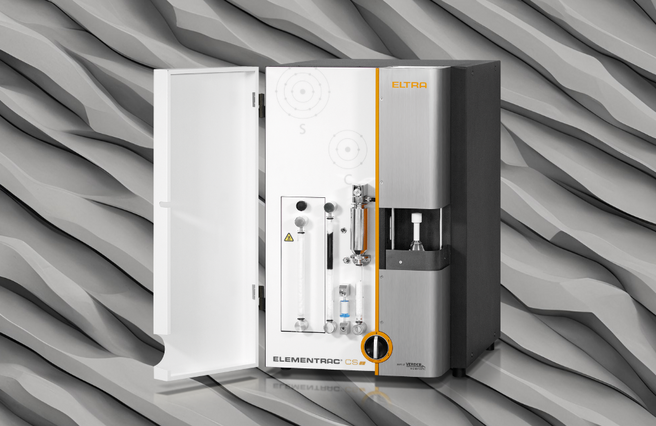
炭素・硫黄分析計CS-i では、高性能な誘導炉により各種建材を純酸素雰囲気内で2,000 °C以上の温度で溶融し、最大4個の独立した赤外線セルによって硫黄(または設定によって炭素)含有量を正確に測定します。IRセルの数により、測定レンジは柔軟に設定できます。
燃料の有効熱量は炭素(それも特に水素)の含有量に左右されます。例えば二次燃料を燃焼させると、それに含有された水素から相当量の水が生成します。そのような水は回転式チューブ炉で気化させる必要があります。この過程で熱量が有意に低下します。
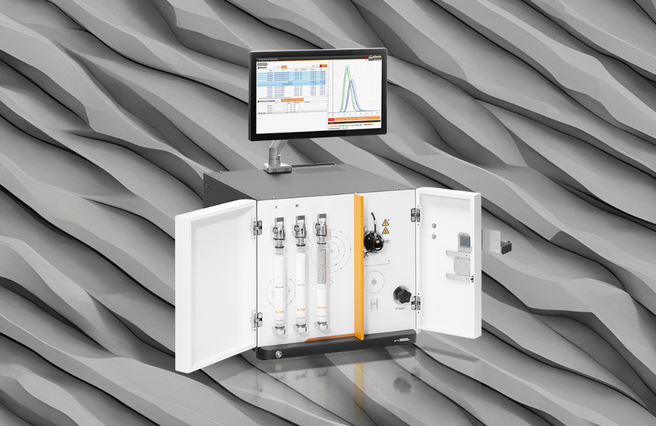
したがって、元素分析により炭素・水素・硫黄の含有量を正確に測定することが重要で、管状抵抗炉を備えたCHS-r はこの用途に最適な分析計です。サンプル処理能力(スループット)を高めるため、36個または130個のるつぼに対応するオートローダを装備したCHS-580A機種もお求めいただけます。
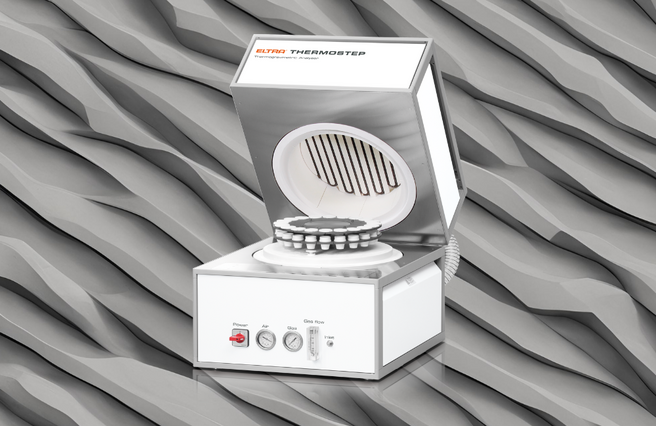
マッフル炉や外部の天秤を使用して水分、灰分、強熱減量(LOI)などの熱重量分析パラメータを測定する従来の方法は、往々にして時間と手間がかかりました。
TGA Thermostep は天秤を内蔵し、測定条件をプログラム可能な熱重量分析計で、燃料に含まれる水分、揮発成分、灰分といった各種パラメータやセメントのLOIをユーザー設定の温度や周囲雰囲気で同時に分析できます。
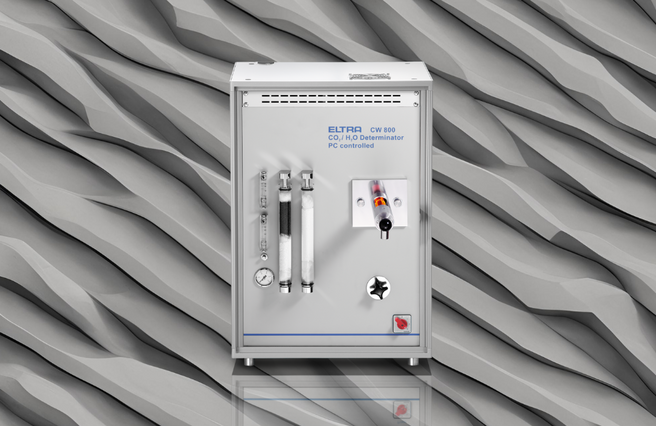
建材の品質管理で重要となる、もう一つのパラメータは全無機炭素(TIC)です。CW-800では、1,000°Cの窒素雰囲気下でTIC値を測定できます。わずか1分で信頼性の高い分析結果が出ます。
Secondary fuels
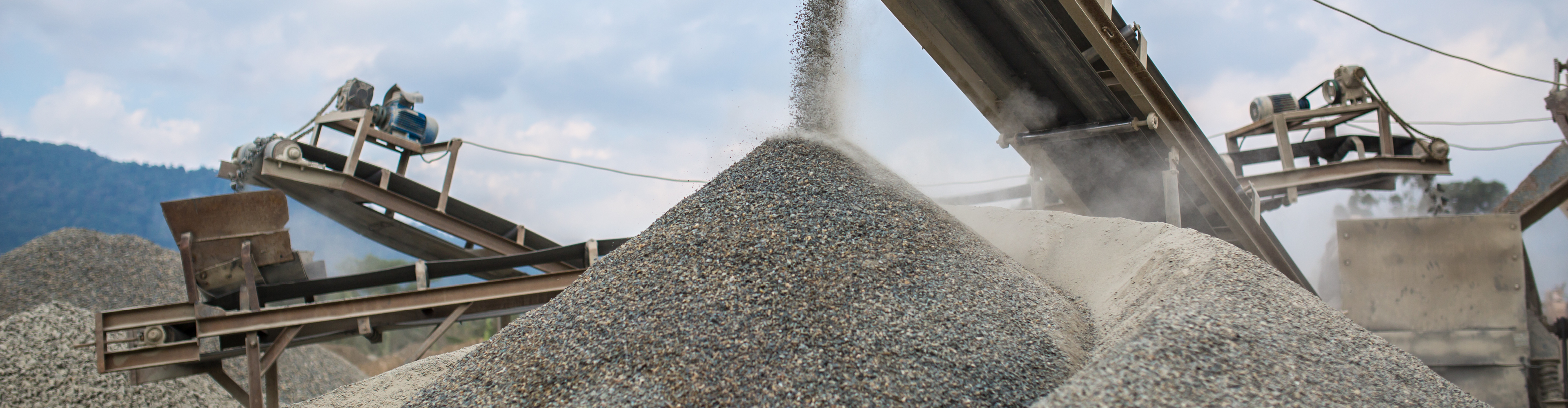
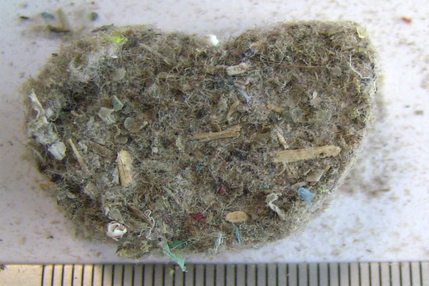
A constantly growing number of cement plants not only use fossil fuels for the cement clinker burning process but also secondary fuels. Secondary fuels either consist of residues from a wide range of manufacturing and production areas or of residues with a high calorific value which are usually obtained from heterogeneous waste. These secondary fuels must meet all the requirements of primary fuels with regards to product quality and environmental safety. Therefore, they have to be prepared and analyzed in the same way and, in addition, they have to be analyzed for their gross calorific value to ensure a stable and reproducible combustion process.
Sample preparation and analysis
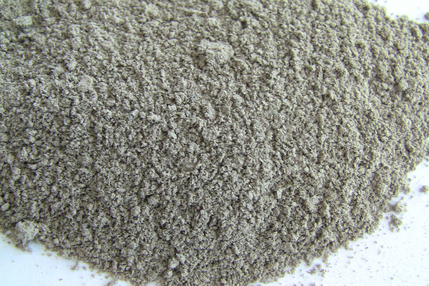
As secondary fuels are often soft and elastic materials, primary size reduction has to be effected with cutting and shearing forces such as are applied in cutting mills. Here, the same grinding procedure as for hard and brittle material has to be followed: Pre-cutting followed by sample division and fine grinding. Since the secondary fuels usually are very heterogeneous, the sampling process becomes evident for correct analytical results. RETSCH’s heavy-duty cutting mill SM 300 easily handles inhomogeneous sample materials with different breaking properties and is especially safe to operate. It is available with heavy-metal-free grinding tools for neutral-to-analysis sample preparation which makes it ideal for processing secondary fuels. With the three exchangeable cutting rotors and its high powered drive, textile and leather parts, plastic caps and ductile metal cans are cut up just as effectively as abrasive electronic scrap and non-metallic car-shredding parts. As there are limits to this cutting mechanism, i.e. steel and iron parts should be separated by a magnetic separator before the cutting process. The final fineness is mainly determined by replaceable bottom sieves with defined aperture sizes. Depending on the sample material, final particle sizes < 2 mm can be achieved. A cyclone increases the material throughput and helps to dissipate the grinding heat. For the fine grinding down to 200 μm, the Ultra-Centrifugal Mill ZM 200 from RETSCH is the ideal tool. It grinds extremely fast and thanks to the patented cassette system it is very easy to clean which allows for high sample throughput. The sample size again is determined by an exchangeable sieve. Experience shows that aperture size of 0.5 or 1 mm is fully adequate for obtaining analytical fineness. Very elastic material like rubber has to be embrittled with liquid nitrogen before pre cutting and final grinding to avoid melting of the sample.
Due to their different combustion behaviour (compared to inorganic material), secondary fuels cannot be processed in an induction furnace. The most suitable choice is a measurement with a resistance furnace at a temperature of 1,300°C. As cement factories use different types of fuels with different calorific values, it is essential to measure the carbon content as a perfect indicator for the calorific value of a material. Sulphur, on the other hand, is an important parameter for processing the combustion gas desulphurisation. Whereas coal has a rather high sulphur content of up to 5%, it is only around 0.02% for secondary fuels such as wood or biomass. With ELTRA elemental analyzers samples of greatly varying sulphur content can be examined precisely and reliably.
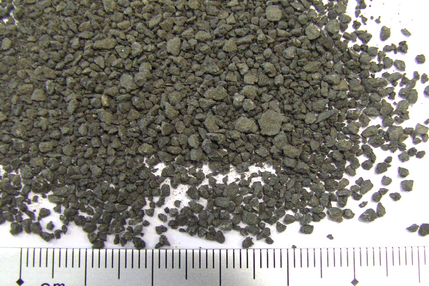
Secondary fuel samples
まとめ
Quality control is an important aspect of cement production. Sample preparation is an essential part of it, because only a representative and reproducible processing of the sample material ensures reliable and meaningful analysis results. Retsch offers a range of instruments for dividing, crushing, grinding and sizing all materials which are involved in the production process of cement, including secondary fuels. To ensure the right choice of instrument for the right sample material, Retsch offers free-of-charge sample testing in application laboratories all over the world. Elemental analysers based on combustion technology are a useful addition to XRF analysis for the quality control of cement and related products, ensuring fast, precise and reliable determination of carbon and sulphur. With its offering of analyzers using resistance or induction furnaces or both, ELTRA covers a wide range of applications for C and S determination in organic and inorganic samples. The product range is ideally suited to the variety of analytical applications in a cement plant.
アプリケーションノート quality control of cement - from crushing/grinding to elemental analysis
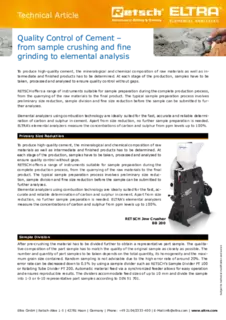
Quality control of cement
Elemental analysers based on combustion technology are a useful addition to XRF analysis for the quality control of cement and related products, ensuring fast, precise and reliable determination of carbon and sulphur. With its offering of analyzers using resistance or induction furnaces or both, ELTRA covers a wide range of applications for C and S determination in organic and inorganic samples. The product range is ideally suited to the variety of analytical applications in a cement plant.
無料相談のお問い合わせ
ELTRAの製品およびサービスは、娘会社および十分に訓練された販売代理店のグローバルネットワークを通じて入手可能です。私たちのスタッフは、お客様のどのようなお問い合わせにも喜んで対応させていただきます。
お客様のニーズに合った最適なソリューションをご提案させていただきます。